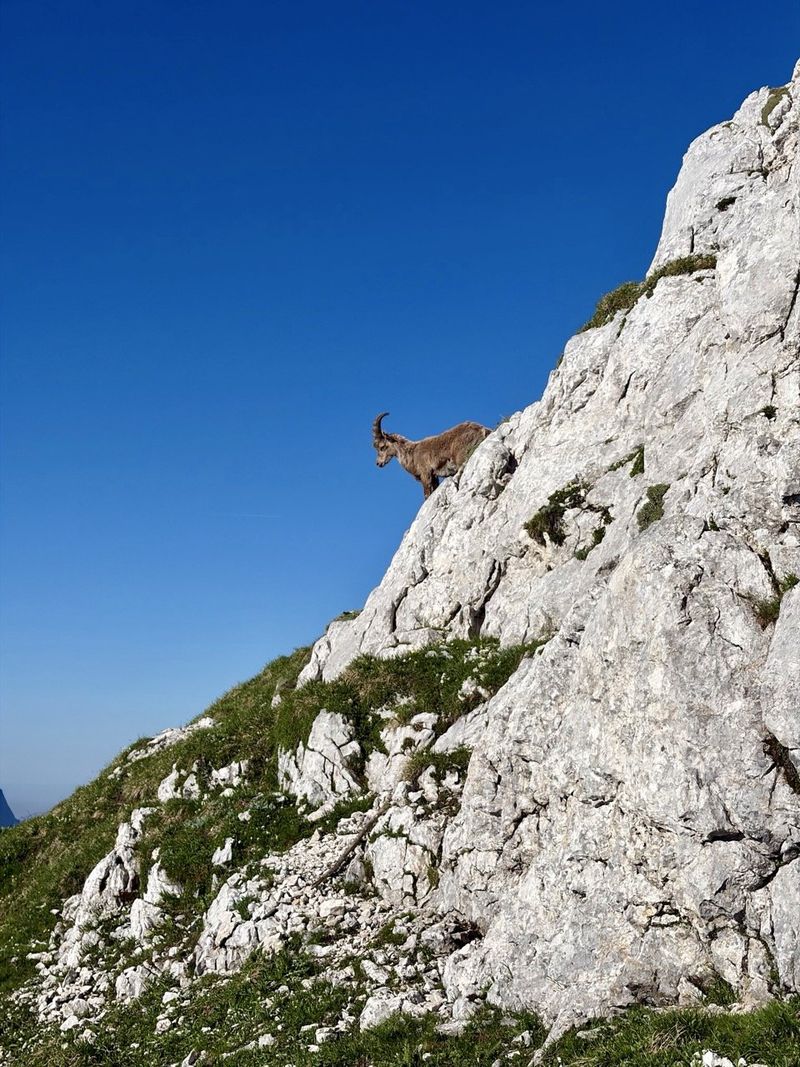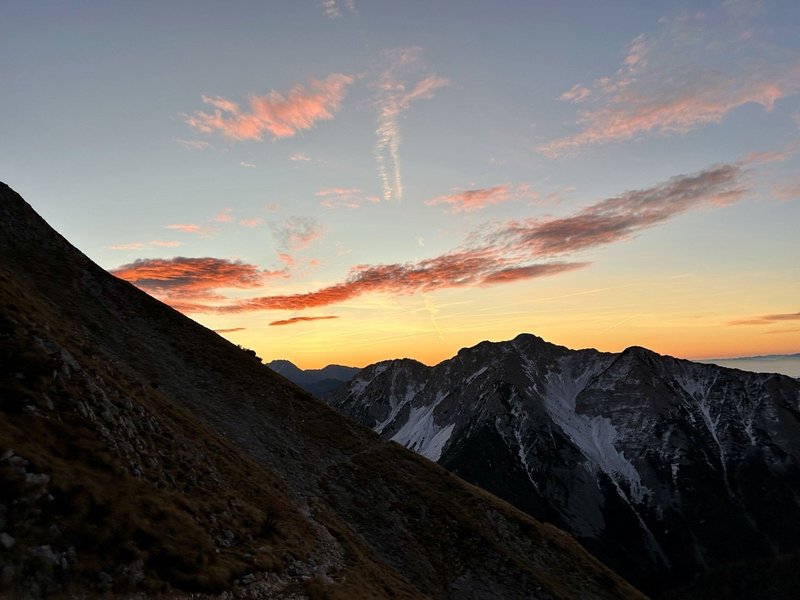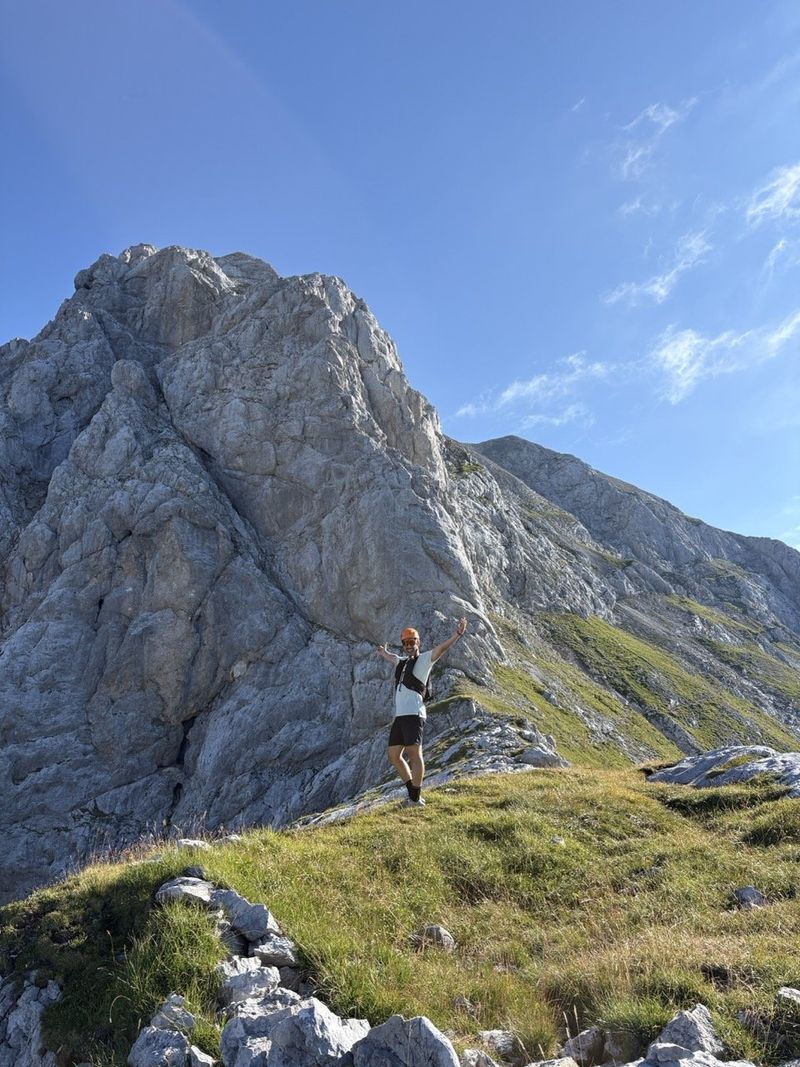
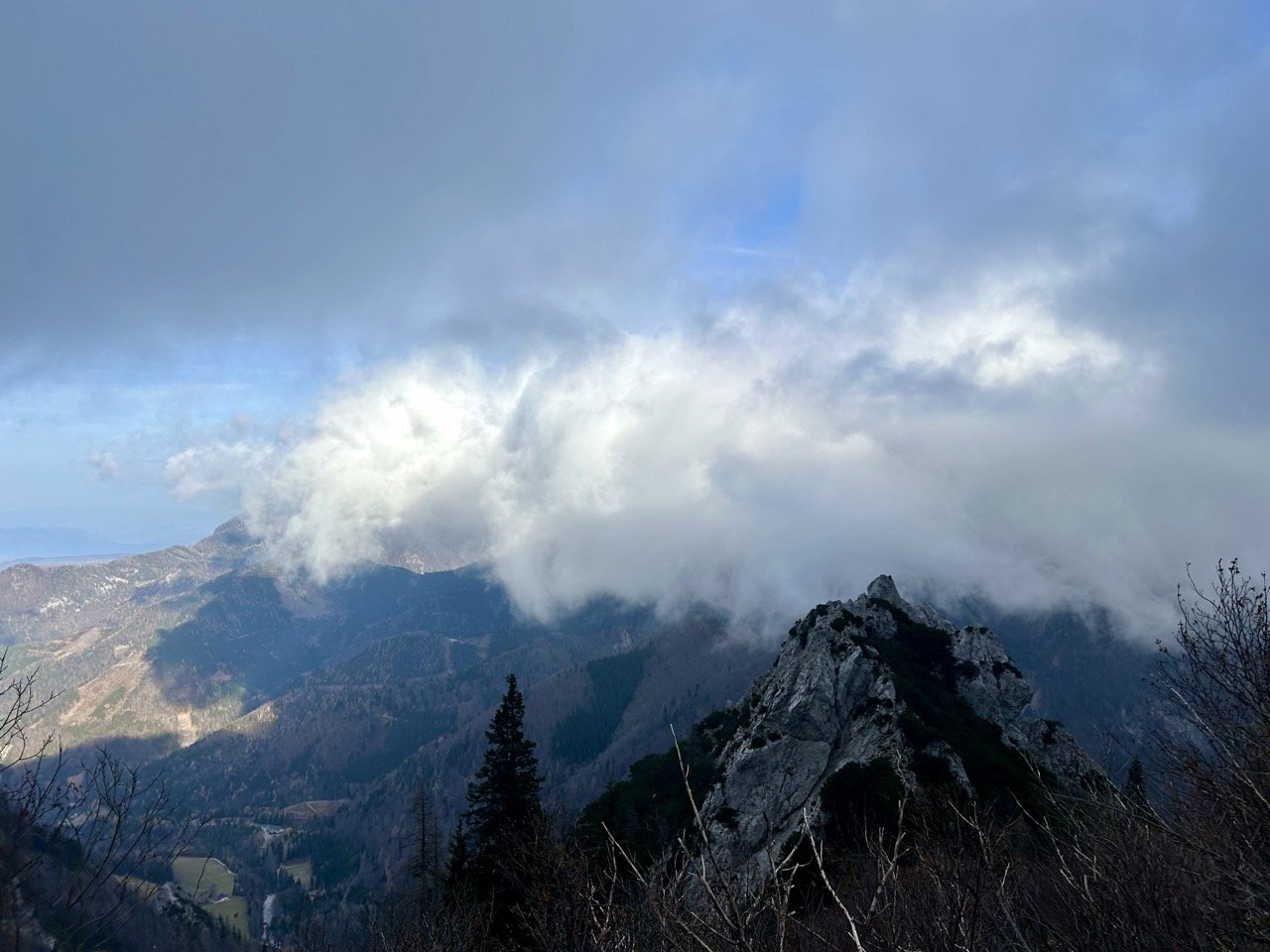
Weather in the mountains changes much faster than in the valley. Besides that, weather phenomena like wind tend to be much more extreme in the mountains. That's why it's important to check the weather forecast before heading into the mountains. Doesn't matter whether we're going hiking, mountaineering, or trail running. Whenever the weather forecast isn't ideal, we should adapt our trails and make them suitable for the weather.
Just as an example. Years ago, I was skiing on the glacier below the Matterhorn. The weather forecast said: clear skies with no wind throughout the whole day. Around 11 AM, the weather changed from clear skies to a snowstorm in the span of 10 minutes. Lightning was striking the T-bar's pylons, so they had to stop it. The only way out was skiing to the end of the ski slope. There we boarded the iron basket attached to the front of snow groomers that brought us to the end of the glacier.
Where to check the weather forecast?
First things first. When checking the weather forecast for the Slovenian mountains, make sure to check the forecast that's specialized for the mountains. I use the following two forecasts:
- Hike.uno weather forecast for a specific destination example for Vrtača
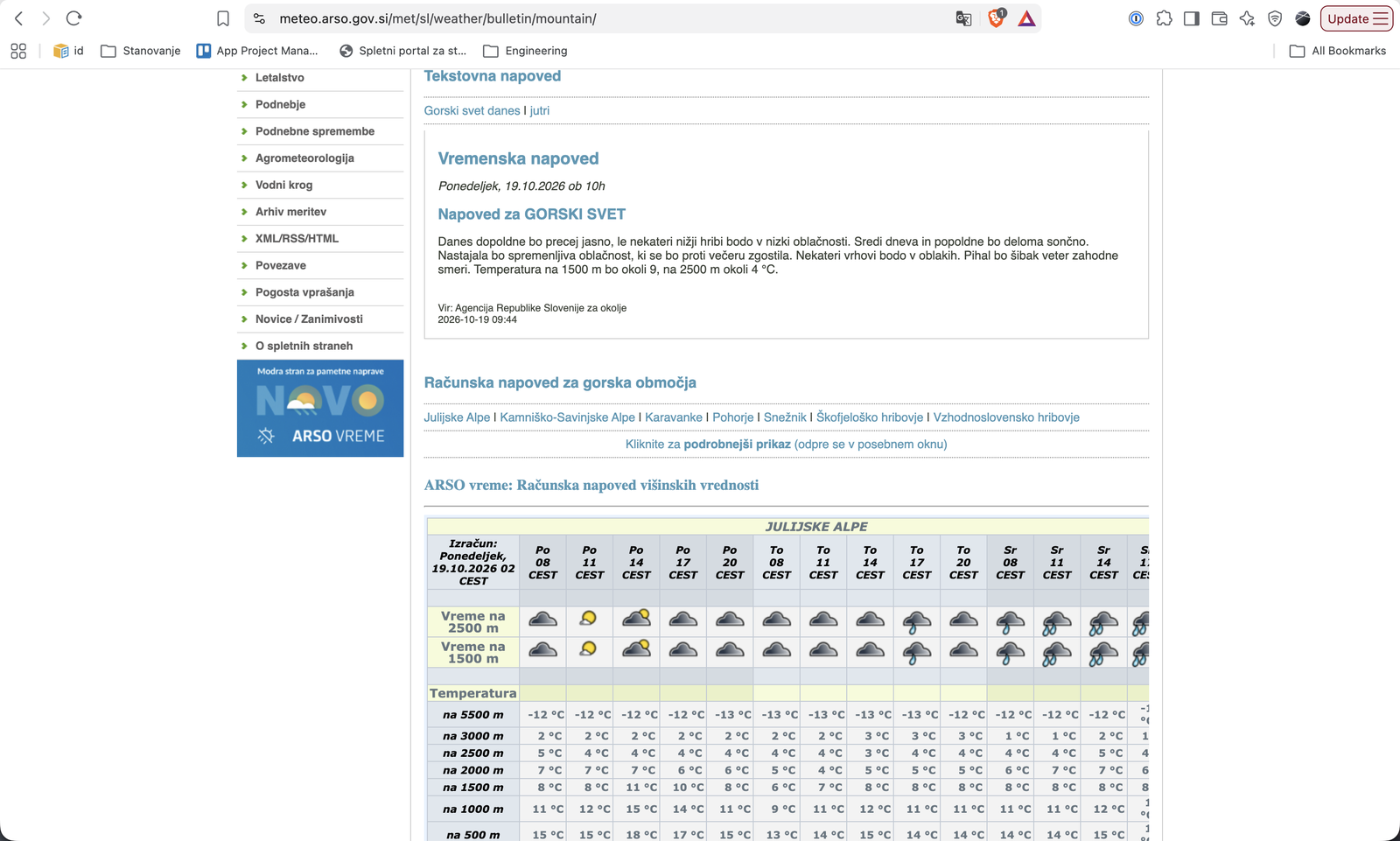
- ARSO Specialized forecast for Slovenian mountains here (It's in Slovenian only - use Google Translate or AI to translate)
I usually check Hike.uno forecast for basic orientation. You can also see it for each trail in the trailarix.com route descriptions. When I decide where I'm headed, I also check ARSO's forecast for the selected mountain region - e.g., the Julian Alps. I always check the table and the description. Many times, the description gives much better insight into how the weather will be changing throughout the day. It's important to also check the wind forecast, as wind strength and direction can significantly impact the perceived temperature. Besides that, wind with strong gusts might also throw you off balance on more exposed paths, like on the top of thin ridges.
How to adjust your goals?
You should always keep in mind that a forecast is just a prediction. Just because the forecast says that storms will start at 2 PM doesn't mean that there'll be clear skies until 2:00 and then the storm will start at 2:01. Storms can form earlier, later, or not at all. That's why it's important that we plan our routes so that they are compatible with forecasted weather. What does that mean?
- If the forecast says that peaks will be in fog, we stay away from the ones where navigation in fog is challenging.
- If the forecast says that the storms are likely from early afternoon, we plan our route so that we're back by noon.
- If the weather is not very stable and we're planning a very long route, we try to find some emergency exits (or shelters) which we can use to shorten the route. (e.g., to return directly towards Kokrško sedlo from Skuta instead of proceeding to Grintavec when we're doing Skuta - Grintavec)
- If the storms are likely throughout the whole day, we avoid high mountains and exposed paths where it's hard to turn around or shorten the path.
- We pick the unknown routes in stable weather to avoid navigation issues or a big gap compared to the predicted time.
If the weather forecast isn't suitable for our destination of choice, we'd better stay at home or reroute to some place with a better forecast. How to figure out whether the forecast is suitable or not? My rule of thumb is the following. If I'm not sure that the weather will be good enough to go somewhere, then I simply DON'T go. I either go somewhere else or reschedule. There's no need for me to organize an unnecessary field trip for rescue service just because I'm too optimistic. With more experience and repeated visits to the same destinations, the bar for suitability goes lower, but the rule stays the same.
What about the snow in late spring and early summer?
In high mountains, the snow can stay on the paths quite late into the summer. So it's important to consider that when planning our mountain visits. For some paths, you may find webcams (e.g., Kamniško sedlo). Anyhow, this will get you only a rough idea of the current state. But it won't tell you anything about the conditions on the path itself. To get this information, you'd better call at some hut on your selected path. You can get the phone numbers here. You can also check the forum on hike.uno. And remember, if you're in running shoes and you can't avoid the snow, there's no shame in turning back.
Za na pot
Vreme v gorah se hitro spreminja. Zato je pomembno, da to upoštevamo pri načrtovanju svojih poti. Varnost mora vedno biti na prvem mestu. Morda na ta račun kdaj kaj zamudim, vendar je to bolje kot nepotrebno tveganje.
Weather in the mountains can change rapidly. Therefore, we must consider this when planning runs, hikes, and other activities. Safety must always come first! Sometimes this means missing a great adventure, but it's better to be safe than sorry. Especially in the mountains!
Hope we meet somewhere!